

Why sell your property with us?
We have been selling properties on the Spanish Costas for more than 20 years, and with such strong foundations, our business offers you all the tools you need to make selling your home a quick and efficient process.
When it comes to selling properties, our ethos is simple...
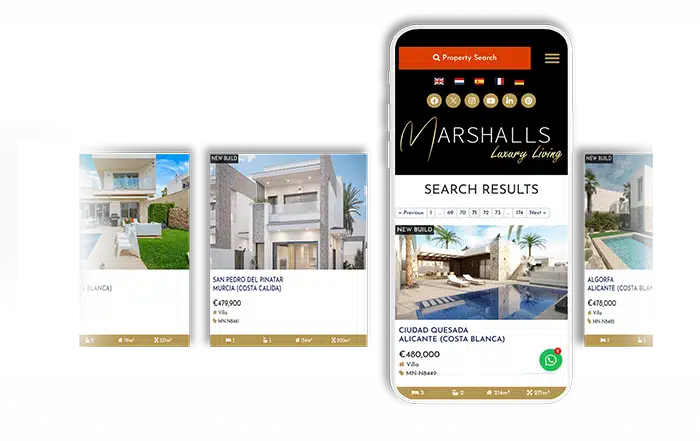
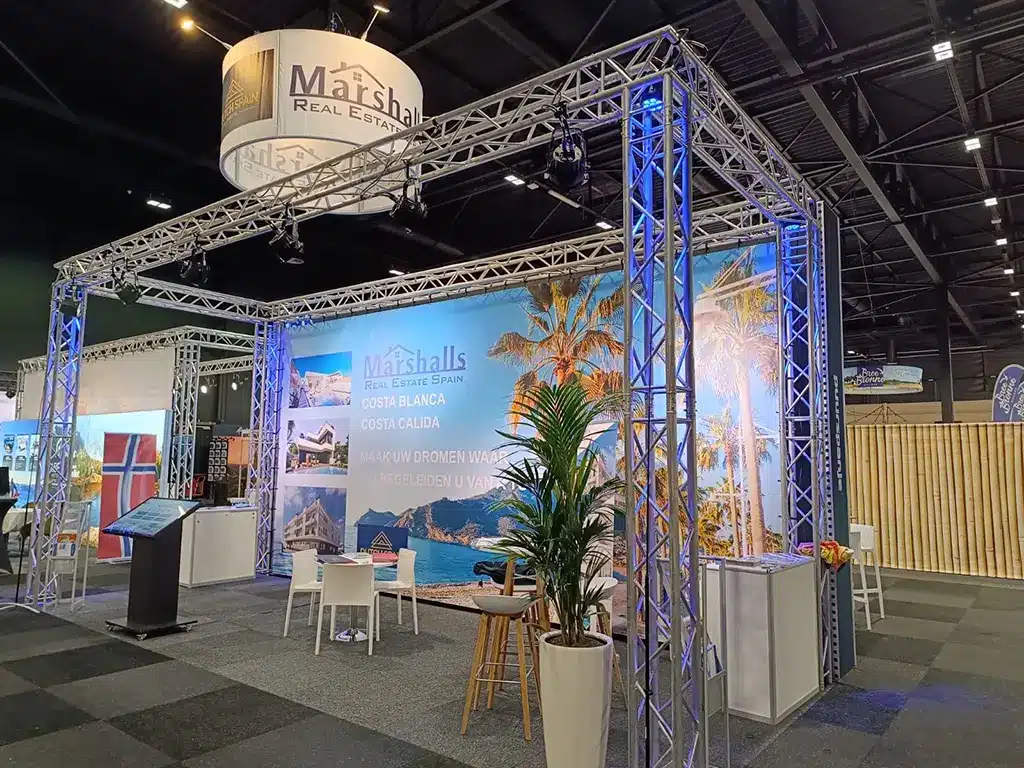
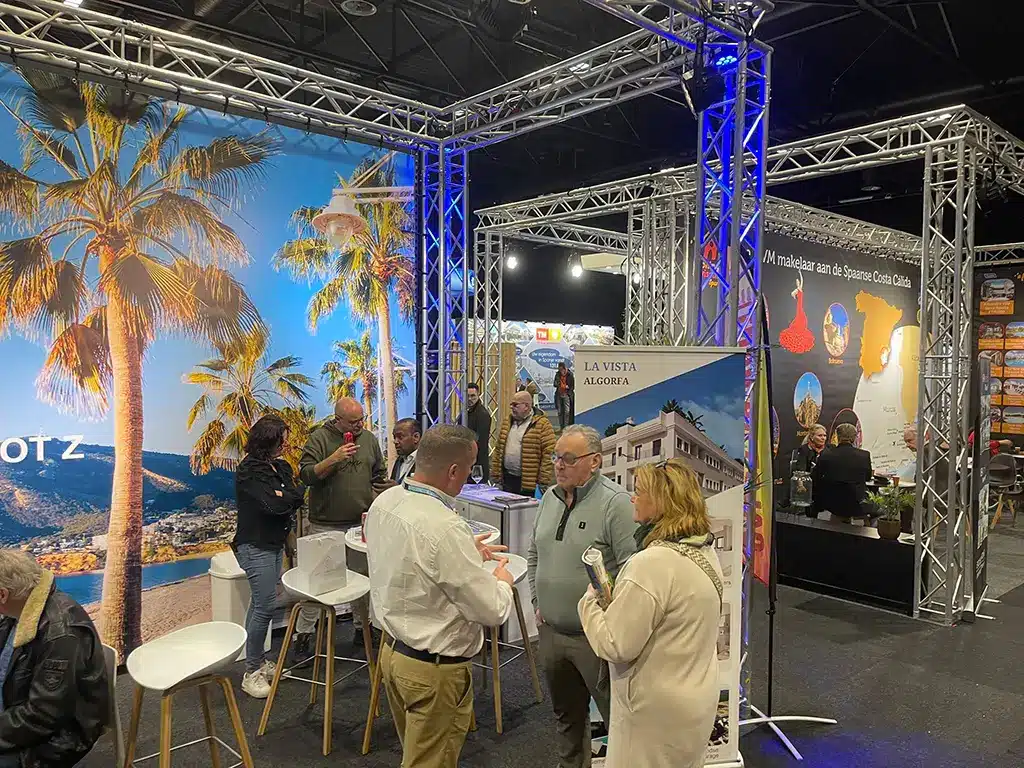
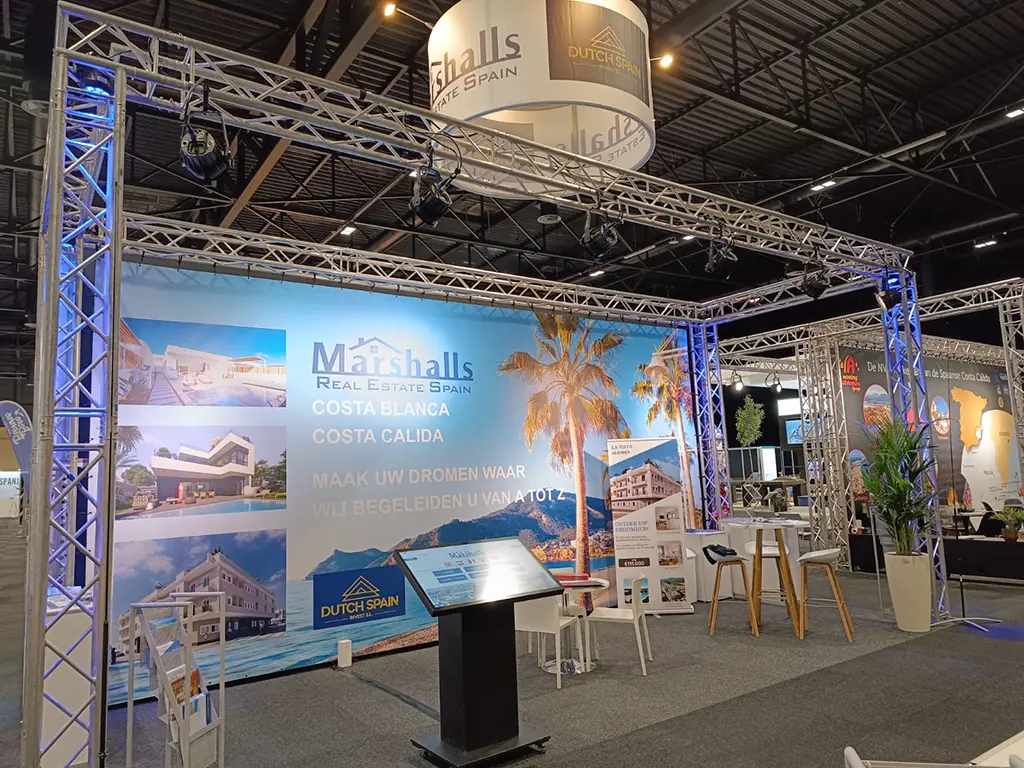
We make sure all of our properties reach the biggest possible audience, that´s why we focus our efforts into making sure that we are the most proactive and innovative agent in respect to our marketing. From custom built outreach software, to overseas portals and exhibitions, we guarantee that your property will be seen by the biggest pool of property buyers.
Accredited, insured, and a brand you can trust...
In an industry with plenty of choice, the association of property professionals API is a way to make sure that your agent has a code of conduct to follow. We are a registered Estate Agent an we are proud members of the API, and we ensure that all of our clients, buying or selling receive exceptional service.
Marketing innovation, staying ahead of the game...
There was once a time when all a property agent needed was access to overseas portals. Nowadays, the property portals are so saturated with hundreds of agencies that these portals alone simply aren´t enough.
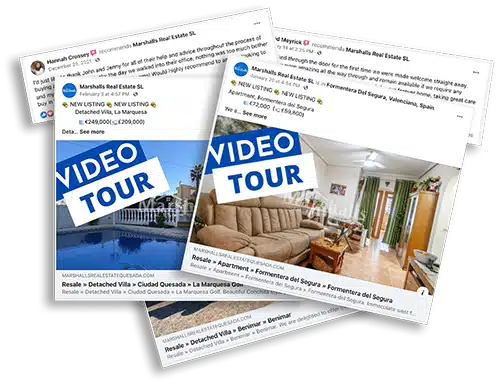
That´s why we are constantly exploring new and innovative ways to reach new buyers for your Spanish property e.g. A bespoke custom management system to keep in touch with all of our clients 24/7, social media outreach and face to face exhibitions.
Frequently asked questions
Selling a property in Spain can seem complicated, especially if you are a non-resident or have not sold here before. This FAQ answers the questions sellers ask most often and explains the key steps, costs, and legal points to keep in mind before putting your property on the market.
Yes. Foreign owners can sell property in Spain whether they are residents or non-residents. The overall process is similar for everyone, although non-resident sellers have specific tax rules that need to be handled correctly.
In most cases, sellers will need:
- proof of ownership
- passport or ID
- NIE number, if applicable
- latest IBI receipt
- energy performance certificate
- certificate showing community fees are up to date
- mortgage information, if there is a loan secured against the property
Depending on the property and location, additional documents may also be needed.
Yes, if the property is jointly owned, all registered owners normally need to sign the sale. In some cases, a spouse or registered partner may also need to give consent, especially if the property is the family home.
Yes. It is very common to sell a property that still has an outstanding mortgage. The mortgage is usually paid off on completion, and the necessary steps are then taken to cancel it formally.
Yes, but any tenancy or occupancy must be disclosed clearly to the buyer. It is important that the legal position is fully understood from the start so there are no surprises later in the process.
The seller may need to pay:
- tax on any capital gain made on the sale
- municipal plusvalía, depending on the property and local rules
The final tax position depends on whether you are a Spanish tax resident or a non-resident, and whether any exemptions apply.
If you are a non-resident, the buyer is normally required to retain 3% of the sale price and pay it to the Spanish tax authorities on your behalf. This acts as an advance payment against any capital gains tax that may be due.
In some cases, yes. For example, exemptions may apply if the property is your main home and you reinvest under the required conditions, or if you qualify under certain age-related rules. This depends on your personal circumstances, so proper tax advice is important.
The exact division of costs can vary, but sellers commonly pay for:
- estate agency fees
- plusvalía municipal, where applicable
- mortgage cancellation costs, if relevant
- part of the notarial documentation linked to the sale
Buyers usually pay the purchase taxes and registration costs connected with acquiring the property.
In practice, yes. Completion normally takes place before a Spanish notary, where the public deed of sale is signed. This is the standard and safest way to formalise the transfer of ownership.
On completion day, the buyer and seller sign the title deed before the notary, the balance of the purchase price is paid, and the ownership is formally transferred. Any agreed mortgage repayment or retention is also dealt with at this stage.
The timing depends on the property, the buyer, and whether there are any legal or mortgage issues to resolve. Some sales move quickly, while others take longer if additional paperwork or negotiations are needed.
It is not always mandatory, but it is highly recommended. An independent lawyer can help review the paperwork, deal with tax issues, and make sure the transaction is handled correctly from start to finish.
A professional estate agent can make the process much easier by helping you:
- price the property correctly
- market it effectively
- qualify buyers
- negotiate offers
- coordinate viewings
- guide the sale through to completion
The best first step is to arrange a valuation and review your paperwork before listing the property. That way, you can go to market with a realistic asking price and avoid delays once a buyer is found.
Thinking of selling your property in Spain?
Our team can guide you through every step of the selling process, from valuation and marketing to negotiation and completion.
Contact us today for advice, a market appraisal, or to list your property with us.